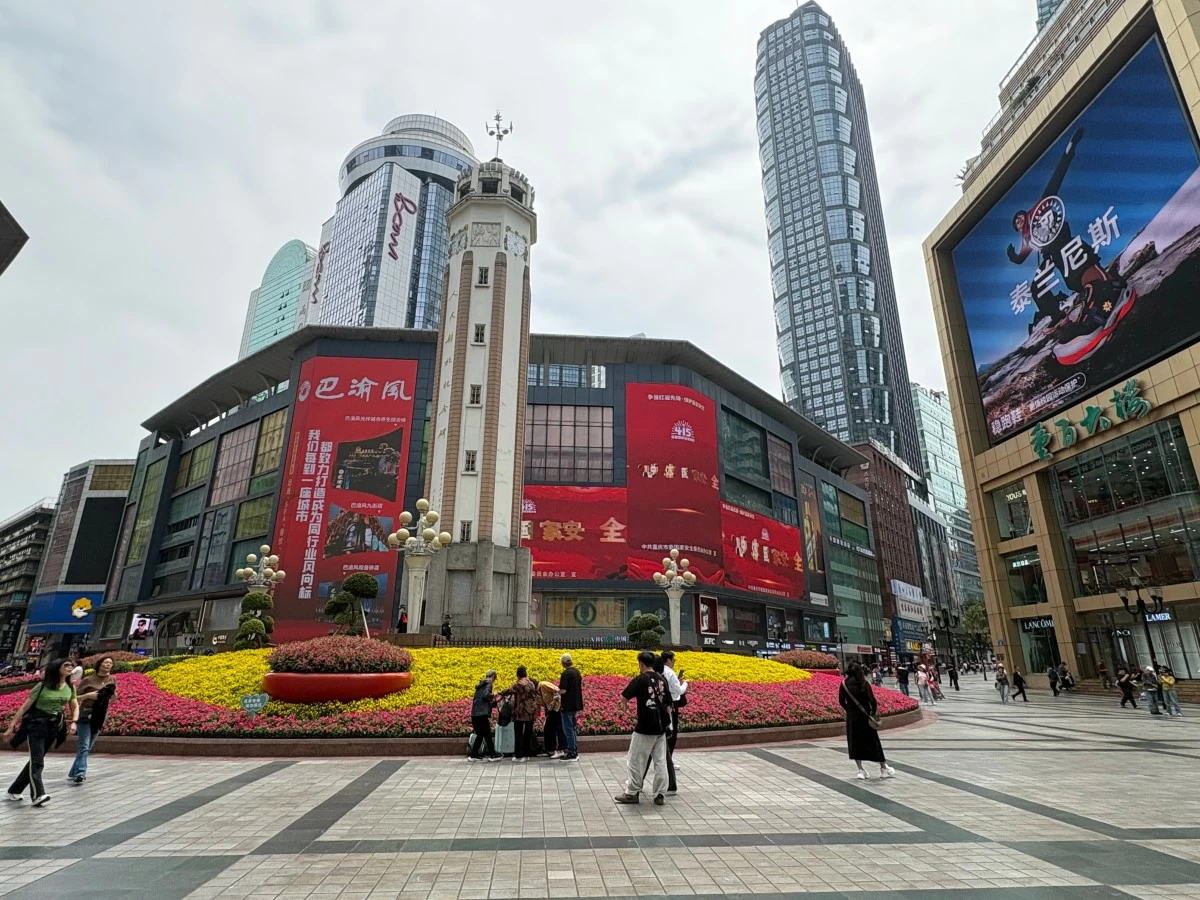
By Badette M. Cunanan Preparing for a trip to Chongqing often conjures images of ultra-spicy hotpot, neon-lit streets, a monorail weaving through residential towers, and futuristic skyscrapers rising from the mountainous terrain. The city’s unique blend of tradition and modernity makes it one of China’s most fascinating destinations. Flying into Chongqing Jiangbei International Airport from Guangzhou, visitors are greeted by a vast, multi-layered terminal. Located about 19 kilometers north of the urban center, the airport is among China’s busiest, connecting this southwestern metropolis to the world. Chongqing is a sprawling municipality with more than 30 million residents. Known as a “5D city,” it is famous for its vertical architecture, steep hills, and cyberpunk-like scenery at the confluence of the Yangtze and Jialing rivers. Buildings rise from hillsides in such a way that the 22nd floor can meet street level, and the monorail famously passes directly through residential blocks. Beyond its striking urban design, Chongqing is a major hub for logistics, automotive production, and manufacturing. It also carries historical weight. During the Sino-Japanese War (1937–1945), it served as the capital of Nationalist China, earning the title “City of Heroes.” One of its historical landmarks, the Chongqing People’s Liberation Monument, originally known as Jiefangbei, stands in the heart of Yuzhong District, at the intersection of Minzu, Minquan, and Zourong Roads. Once a war memorial, it has become one of the city’s most recognizable symbols. Another significant site is the Great Hall of the People, built between 1951 and 1954. This imposing structure hosts political and cultural events, with a vast auditorium capable of seating over 4,000, reflecting the architectural ambition of early New China. Modern attractions add another layer to the city’s appeal. Raffles City Chongqing, a striking complex of eight towers, features the Sky View observation deck and the Crystal Skywalk....
LIVE
--
--
--
--
--
--
--
--
Global Weather
Loading...
Fetching latest reports
--°C