
New data from the Hellenic Statistical Authority show that annual inflation accelerated to 5.2% in May, more than doubling from 2.5% a year earlier. Greece’s experiment with capping supermarket profit margins has so far failed to prevent a renewed surge in inflation, raising questions about the effectiveness of one of the government’s main tools for containing the cost-of-living crisis. New data from the Hellenic Statistical Authority show that annual inflation accelerated to 5.2% in May, more than doubling from 2.5% a year earlier, despite emergency legislation designed to curb excessive profiteering on essential goods and fuels. The figures suggest that while the measure may have limited some retail margins, it has not succeeded in preventing broad-based price increases from filtering through the economy. The profit-margin cap, introduced in March 2026 amid geopolitical turmoil in the Middle East and rising energy costs, does not impose fixed prices on products. Instead, it prevents supermarkets and other businesses from earning margins above historical levels by comparing the difference between purchase and selling prices for each individual item against average margins recorded in 2025. In theory, the mechanism allows companies to pass on genuine increases in costs while preventing opportunistic mark-ups. In practice, however, inflation has continued to accelerate, driven by the very sectors that matter most to household budgets. Housing costs rose 11.6% in May compared with a year earlier, reflecting increases in rents, electricity, natural gas and heating fuel. Transport prices climbed 11.5% as fuel costs, airfares and vehicle maintenance became more expensive. Hotels, cafés and restaurants recorded an annual increase of 8.5%, adding further pressure on consumers. Food inflation also remained persistent. Prices for bread, meat, dairy products, fruit, vegetables and coffee all increased, while beef rose 17.6% and lamb and goat meat climbed 16.2%. Heating oil posted the sharpest increase of any major category, surging 53.2% from a year earlier, with gasoline up 21.5%, diesel up 24.4% and natural gas up 21%. The data illustrate the limits of margin controls when inflation is being driven largely by upstream costs such as energy, transportation and imported commodities. Even if retailers are prevented from expanding profits, they are still permitted under the legislation to pass legitimate cost increases on to consumers, meaning final prices can continue to rise significantly. Recognizing that the existing framework has not delivered lower prices, the government has begun discussions with supermarket chains and food manufacturers on a broader national agreement aimed at reducing the cost of essential goods. Officials hope voluntary commitments across the supply chain can achieve what regulatory intervention alone has struggled to accomplish. For now, however, the profit-margin cap remains in force. Regulators continue to examine products individually, with companies facing fines of up to €5 million if they are found to have exceeded permitted margins. Yet the latest inflation figures suggest that the policy has done little to shield Greek households from a fresh wave of price increases. #ENGLISH_EDITION #GREECE
Greece’s Price Cap Fails to Halt Inflation as Cost-of-Living Pressures Intensify
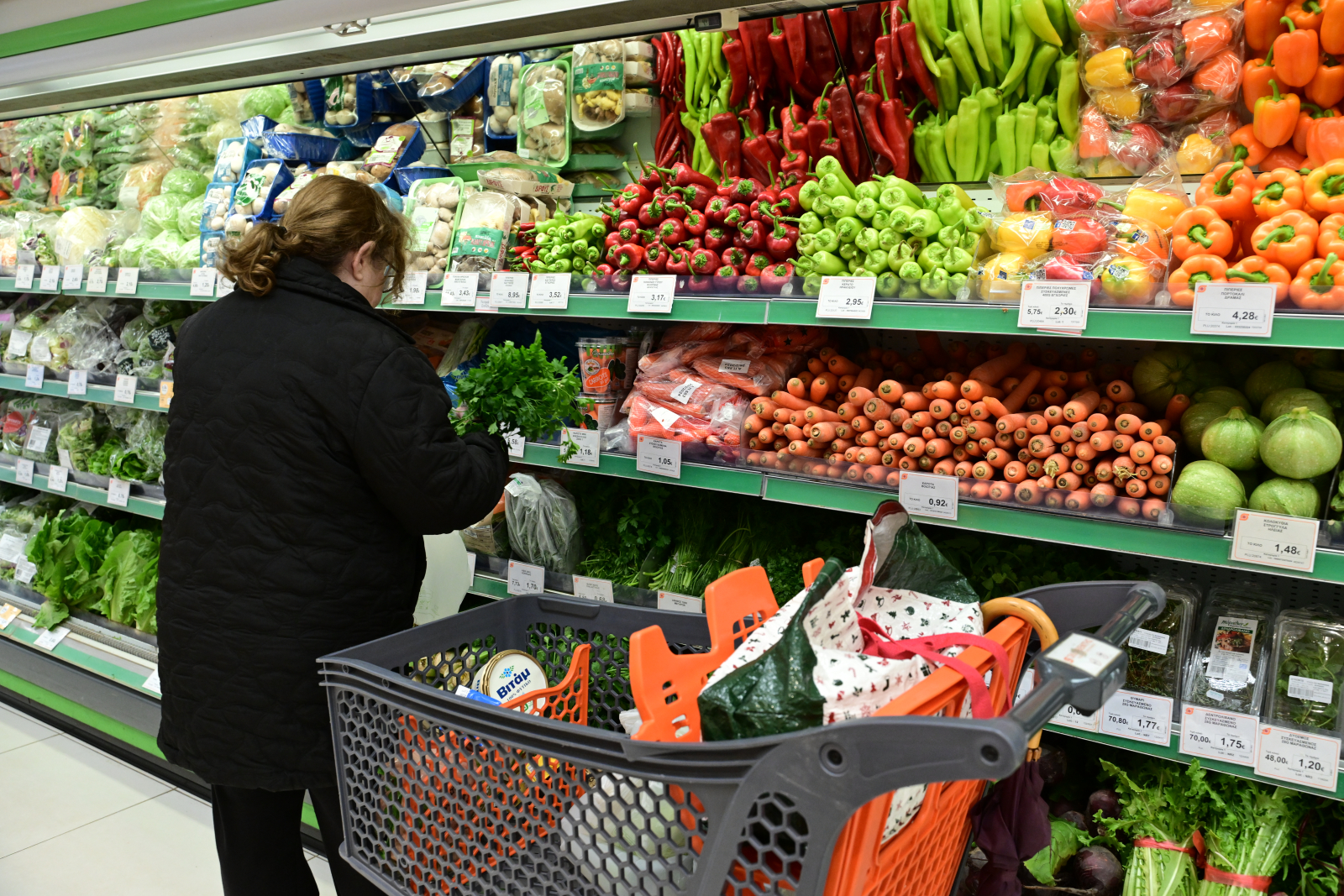
Source: Dnews Gr
Read Full Story →