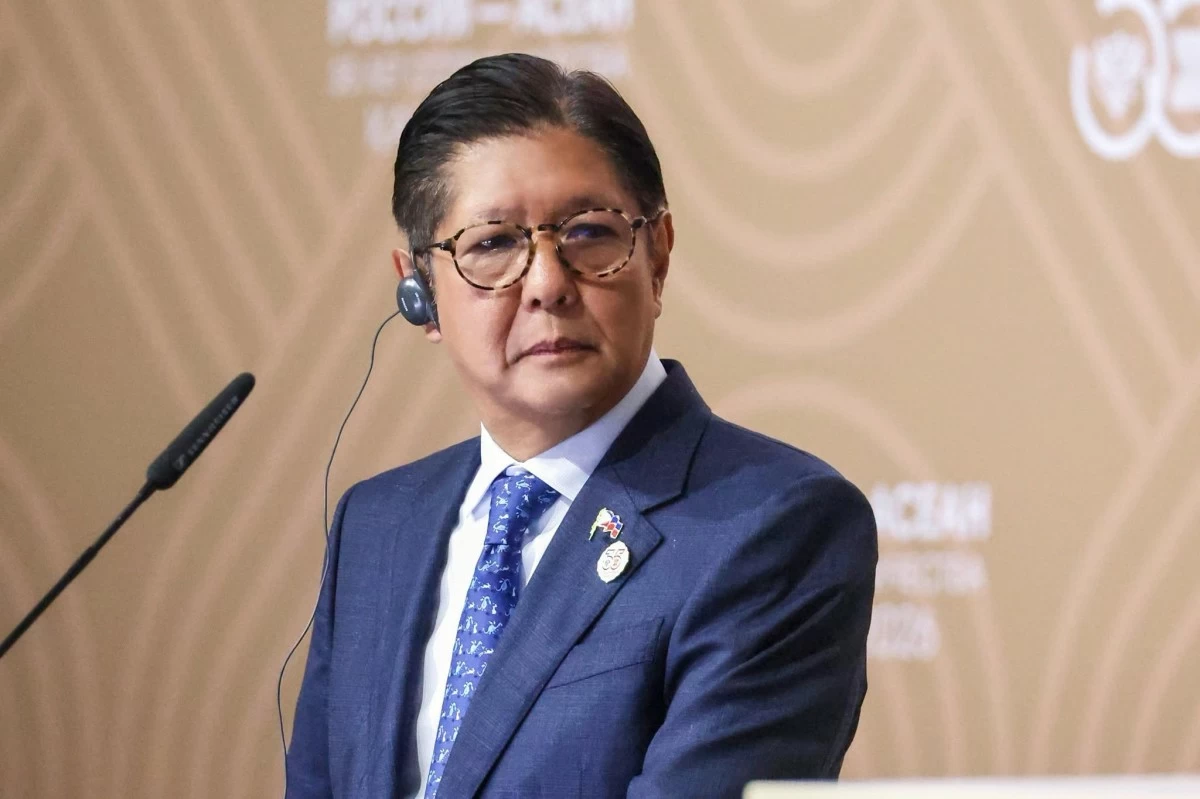
President Marcos acknowledged concerns that the Philippines could face backlash from like-minded nations as Manila seeks to deepen engagement with Russia, saying the government would tread carefully to ensure its partnerships do not contribute to conflict. Asked about possible criticism from countries that have imposed sanctions on Russia over its war with Ukraine, the President said such concerns are "certainly" valid and would require "very nuanced decisions" moving forward. "We would certainly not want to be part of any system that furthers conflict anywhere in the world," Marcos told reporters covering his visit to Kazan, Russia, for the ASEAN-Russia Commemorative Summit, on Thursday, June 18. Marcos said the Philippines remains one of the strongest supporters of peace and would be careful not to inadvertently become part of any arrangement that encourages war. At the same time, he stressed that the changing global landscape has opened new opportunities for cooperation with Russia and other partners beyond the country's traditional alliances. Multipolar world President Marcos said the Philippines no longer subscribes to a bipolar world order in which countries are forced to choose sides between competing powers. "It was a recognition that the world has changed," he said. The President said discussions during the ASEAN-Russia Summit focused heavily on the realities of a multipolar world, which he described as more complex but also one that offers greater opportunities. Untapped opportunities Marcos said there remains "so much potential" in the Philippine-Russian relations despite relatively low trade levels between the two countries. He said Manila and Moscow have traditionally cooperated in areas such as agriculture and petroleum products, but new sectors have emerged that were not previously explored. Among these are nuclear energy, space technology, and artificial intelligence. "There are many, many, many things — many areas that have become available to us that...
Marcos treads carefully as the Philippines seeks deeper ties with Russia
Source: Manila Bulletin
Read Full Story →