
The Tariff Commission (TC) has initiated a formal investigation to determine whether to impose a definitive safeguard measure on imported rice to provide relief to the local industry, which has been reeling from the surge in foreign shipments. In a notice, the TC announced it launched the probe into the merits of the safeguard measure on Wednesday, July 1, following a request from Agriculture Secretary Francisco Tiu Laurel. As part of the investigation, the TC will hold a preliminary conference on the country’s rice imports on July 10. The commission stated the conference will cover timelines, the nature of the investigation, the appearance of counsel and parties, the number of witnesses, notification procedures, and the accessibility of documents and public files. Discussions will also address the confidentiality of information, the submission of position papers and memoranda, the conduct of onsite inspections and data verification, the scheduling of public hearings, and other matters that may expedite the case. “All interested parties, including those on record in the preliminary investigation by the Department of Agriculture (DA), are required to attend the preliminary conference,” the TC said. Last month, Tiu Laurel signed Department Order (DO) No. 18, revealing that the DA’s initial investigation found a causal link between increased rice imports and serious injury to the domestic industry. While specific findings were not disclosed, the DA said its case records would be transmitted to the TC to facilitate the formal inquiry. If the TC concludes that safeguards are necessary, the government can take action to protect the rice sector from further harm. Under Republic Act (RA) No. 8800, or the Safeguard Measures Act, the government may impose remedies such as additional tariffs or quantitative restrictions (QRs). Tiu Laurel previously told the Manila Bulletin that QRs—non-tariff restrictions used to limit the volume of an...
Tariff Commission launches rice safeguard probe after import surge threatens farmers
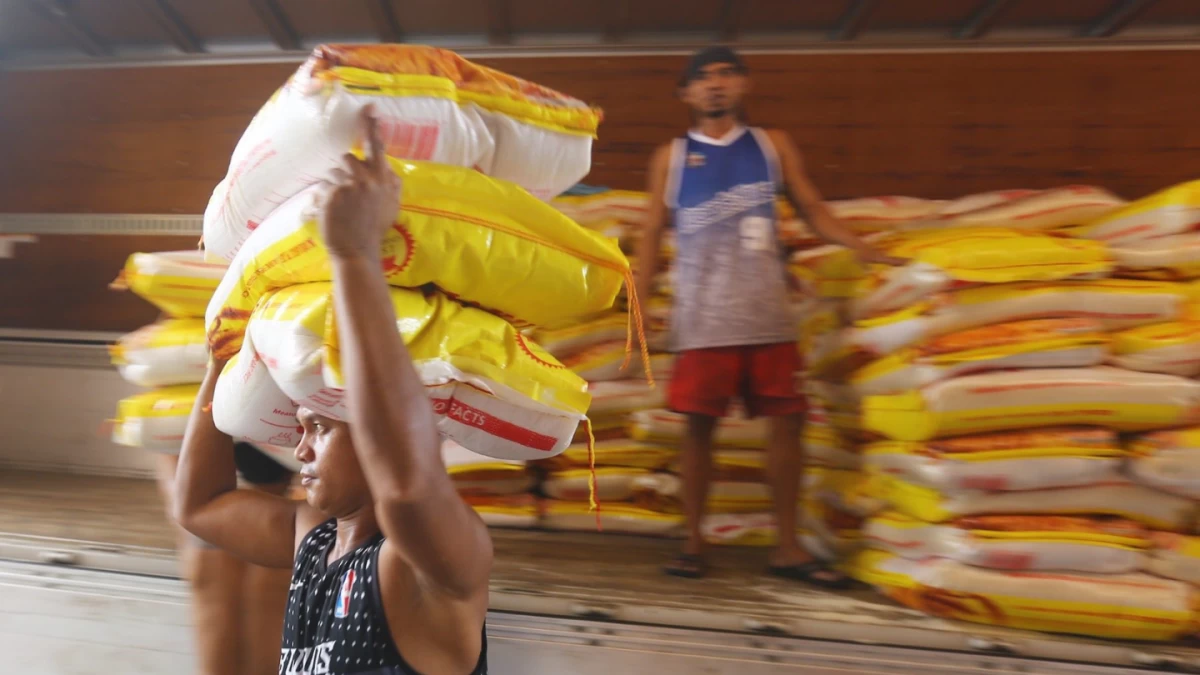
Source: Manila Bulletin
Read Full Story →

