Pakistan’s recent diplomatic efforts for achieving sustainable peace in the deserve to be assessed not by whether they produced an immediate US-Iran agreement, but by what they strategically accomplished. First, it helped create diplomatic space at a critical moment, reducing the risk of a disastrous regional escalation. Second, it contributed to bringing Washington and Tehran into direct high-level engagement after nearly five decades of estrangement, demonstrating that dialogue remained possible even amid military confrontation. Third, and perhaps most importantly, the process helped identify the real sticking point around which any future negotiations must ultimately be built. Whenever tensions between the United States and Iran dominate international headlines, the debate almost invariably revolves around Iran’s nuclear programme. Yet, this focus often obscures the deeper strategic issue that has repeatedly frustrated diplomatic efforts. The nuclear file is important, but it is not the decisive obstacle. In reality, the Strait of Hormuz remains the real sticking point in US–Iran negotiations. The strategic importance of Hormuz Hormuz is far more than a narrow maritime passage connecting the Persian Gulf with the Arabian Sea. It is one of the world’s most consequential geopolitical chokepoints and the strategic centre of gravity of Gulf security. Nearly one-fifth of globally traded oil and a substantial share of liquefied natural gas exports pass through this waterway. Whoever shapes security in Hormuz inevitably influences global energy markets, regional deterrence and international diplomacy. This explains why negotiations often stall once discussions move beyond sanctions relief and uranium enrichment to the broader question of maritime security. For Washington, the objective is uninterrupted freedom of navigation under internationally accepted maritime law. The United States regards Hormuz as a global maritime common whose continuous operation is indispensable for international trade, energy security and economic stability. At the same time, Washington must reassure its Gulf...
Lasting peace between Washington and Tehran is only possible through a new Hormuz framework
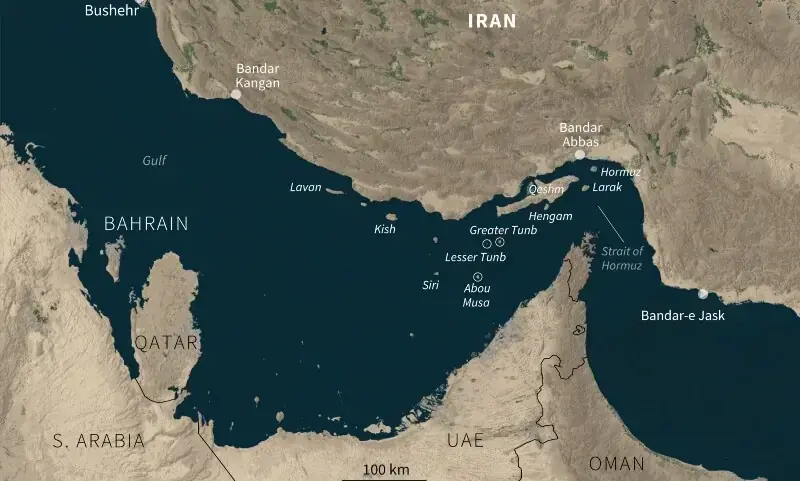
Source: Dawn
Read Full Story →