
Vice President Sara Duterte's defense argued that the Senate impeachment court cannot compel the release of her Anti-Money Laundering Council (AMLC) records, insisting that the confidentiality provisions under the Anti-Money Laundering Act contain no exception for impeachment proceedings. Defense counsel Michael Poa made the argument on Monday, July 20, as senators questioned both parties on the prosecution's motion seeking Duterte's tax, bank, and AMLC records in connection with the allegation of unexplained wealth under Article II of the Articles of Impeachment. Responding to questions from Sen. Joel Villanueva, Poa maintained that while the impeachment court is created by the Constitution, it remains bound by existing laws governing the confidentiality of AMLC reports. "While the impeachment court is a constitutional creation, it cannot go over and above the Constitution itself... Section 8-A, at least for our position, is an absolute prohibition,” Poa said. “Unlike the Bank Secrecy Law, where impeachment is an exception, Section 8-A does not provide one. If we were to compel and issue a subpoena against these AMLC records, we're actually compelling the officials to violate this very section of the law," he added. Section 8-A of the Anti-Money Laundering Act requires the AMLC and its Secretariat to "securely protect" information they receive or process and prohibits them from revealing "in any manner" any information known to them by reason of their office, even after they leave the agency. The law also directs the AMLC to formulate rules on the exchange, security, confidentiality, handling, storage, and access to such information. Villanueva raised whether the confidentiality rule creates an absolute privilege against a subpoena issued by the impeachment court and asked whether executive sessions or other safeguards could sufficiently protect sensitive financial information. The defense, however, maintained that allowing disclosure despite the absence of a statutory exception would amount...
Defense says AMLA secrecy bars impeachment court from compelling VP Sara’s financial records
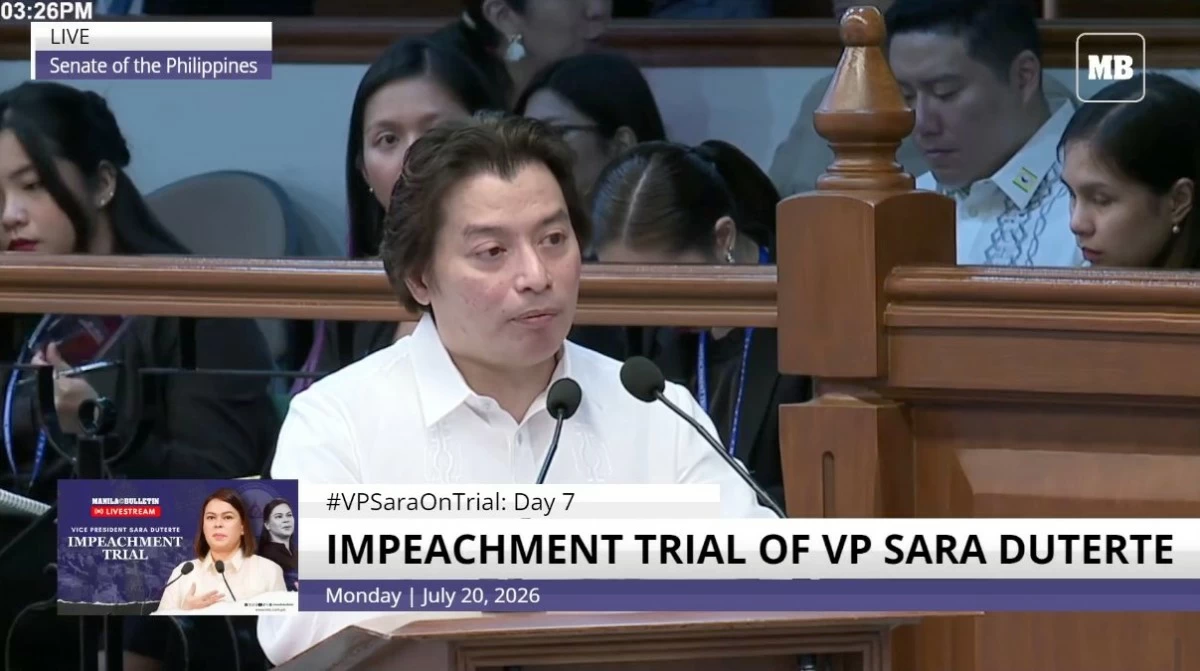
Source: Manila Bulletin
Read Full Story →