
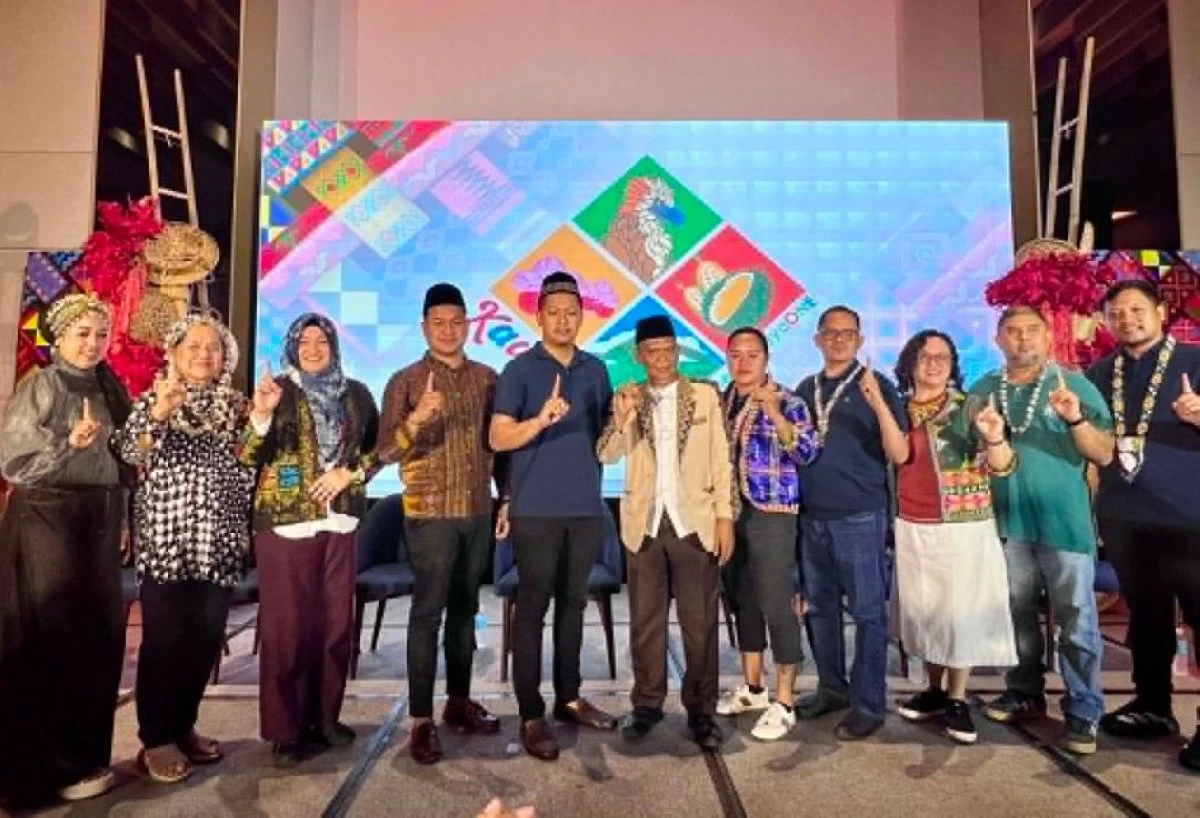
DAVAO CITY β The Davao City government is targeting 250,000 tourists as it expands the 2026 Kadayawan Festival in August to 26 activities and increases support for the city’s 11 ethnolinguistic communities. Willenito Tormis, officer-in-charge of the City Tourism Operations Office, said the city has allocated more than P68 million for this year’s celebration, higher than last year’s budget, as the number of festival activities increased from 16 to 26. Tormis said the expanded program includes the return of several activities requested by residents, as well as additional cultural performances, community-based events, and activities in malls and other venues across the city. He said the city increased funding for deputy mayors and their cultural communities to improve their tribal houses and support their participation in festival activities. Each will receive at least P700,000 for cultural village improvements and major events. According to the deputy mayors of the 11 ethnolinguistic tribes, preparations and renovations at the cultural village are ongoing, with most tribal houses expected to be ready before the official opening in August. “Kadayawan is for everyone,” Tormis said, adding that the city wants more residents and visitors to experience the festival beyond the traditional venues by bringing activities closer to different communities. Councilor Myrna Dalodo-Ortiz, chairperson of the Committee on Tourism and Beautification, said this year’s theme, “We Are One KadayaONE,” highlights unity of the city’s diverse communities while honoring the traditions of the 11 ethnolinguistic groups. Ortiz said the festival also celebrates Davao City’s harvest, tourism, local industries, and the resilience of DavaoenΜos. She encouraged residents to invite their relatives and friends across the country to visit the city and join the month-long celebration. The councilor also announced that the city is moving towards institutionalizing the cultural village, which is being developed as a year-round destination rather than a facility used only during Kadayawan. Ortiz said the city also plans to expand cultural tourism into barangay communities through community-based tourism programs involving indigenous peoples, Moro communities, barangay officials, and residents. In terms of safety and security for everyone, Public Safety and Security Office head, Angel Sumagaysay, said the security cluster aims to achieve zero major incidents throughout the festival. Sumagaysay said at least 700 security personnel are expected to be deployed daily, with augmentation from Police Regional Office-11, Davao City Police Office, Task Force Davao, and other security units. He said security agencies will focus on maintaining peace and order throughout the festival and will closely coordinate with the festival executive committee, the CTOO, and event organizers to ensure the safety of residents, visitors, and participants. Sumagaysay added that the security cluster has been instructed to remain focused on public safety and avoid involvement in political matters, even if high-profile political personalities attend festival activities. Nicole NinΜa Hao Bian-Ledesma, president of the Davao Tourism Association, said the private sector is fully supporting the festival through hotels, restaurants, malls, tourism establishments, and business groups. She said one of the private sector’s major initiatives is the Kadayawan Big Sale, a month-long campaign offering discounts, special promotions, and freebies to tourists and residents who shop, dine, and explore Davao. Ledesma said the Davao region currently has more than 8,800 hotel rooms, excluding non-accredited accommodations, condominiums, inns, apartments, and short-term rental properties. She said the region has sufficient accommodation capacity, noting that Davao has successfully hosted major conventions, sporting events, and corporate gatherings even outside the Kadayawan season. Among the major festival highlights are the Kadayawan Street-Dancing Competition, the Floral Float Parade, Subang Sinugdanan, Hiyas sa Kadayawan, Sayaw Kadayawan, Agong ug Kulintang, Tunog Kadayawan, and Cultural Village activities. Tormis said the Indak-Indak competition has attracted 10 entries in the open category and five entries in the school-based category. He added that the open-category participants come from several cities and municipalities across Mindanao. He announced that the city increased the top prize for the Indak-Indak open category to P1.5 million and the school-based category to P1 million. The top prize for the large-float category in the Pamulak parade was also raised to P1 million. According to the CTOO, the Indak-Indak sa Kadalanan street dancing competition offers a total prize pool of nearly P8 million, making it one of the biggest cash prizes for a street-dancing competition in the Philippines outside of Sinulog in Cebu. “The city is also considering a new venue for the Indak-Indak grand showdown to accommodate more spectators, although the final location has yet to be announced,” Tormis said. “I cannot confirm yet nor deny the new venue.” Tormis said this year’s festival branding uses a more modern visual approach while retaining the city’s cultural symbols, including the 11 ethnolinguistic communities and the waling-waling orchid. He said the city is bringing more festival activities to malls, schools, parks, business districts, and other public spaces as part of the “Kadayawan All Over the City” campaign to reach more residents and visitors. Festival organizers emphasized that they are balancing tourism growth and commercial activity with the preservation of indigenous culture by increasing support for cultural communities and restoring traditional events. Guests, spectators, and locals were reminded to respect the customs of each community, including rules on appropriate clothing, footwear, religious observances, photography, and entry into tribal houses. The 2026 Kadayawan Festival will be celebrated throughout August, with the city expecting the expanded program to boost tourism, support local businesses, and strengthen cultural appreciation among residents and visitors.
