
From trash to triumph: A Malabon barangay’s campaign against waste
news-image

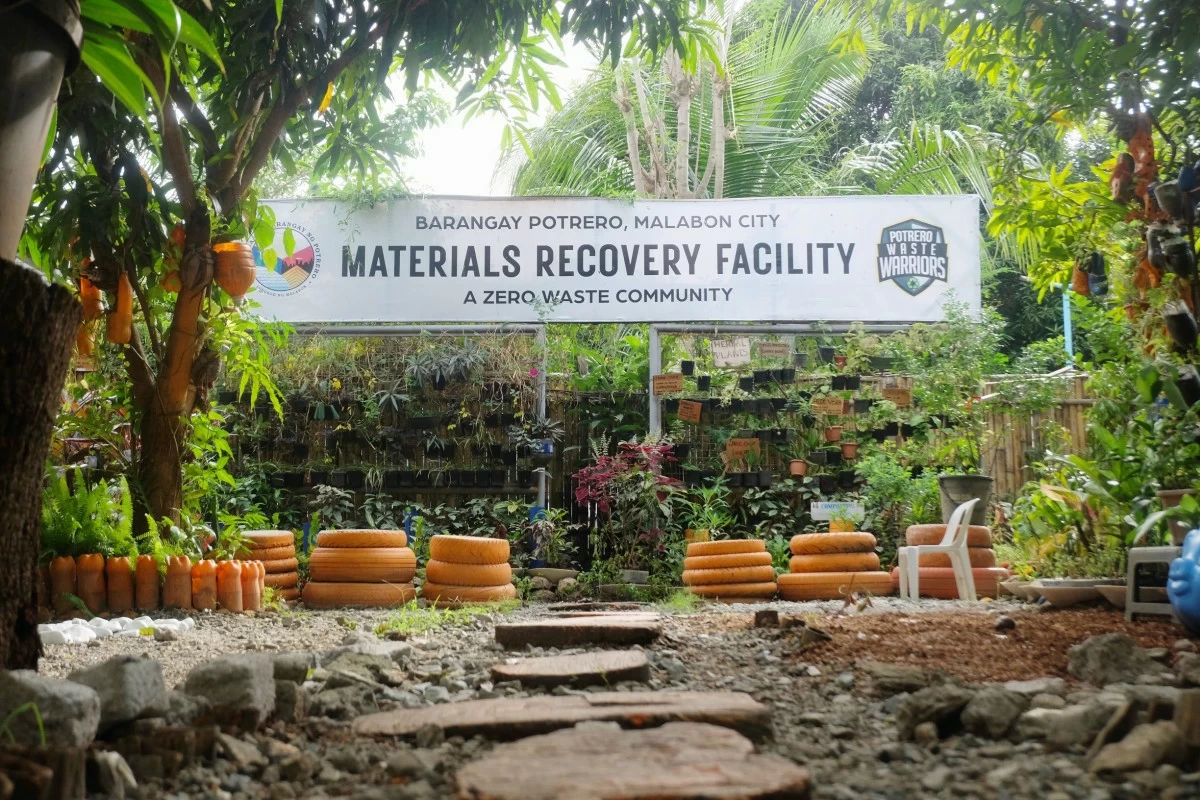
By JAYFERSON B. COMITAN In Malabon City, Barangay Potrero processes around 500 kilograms of wet and dry waste every day through a community-based segregation program to reduce the volume of trash sent to dumpsites. “Sa isang household, nalaman natin na 60 percent ng basura ay nabubulok, 15 percent ay recyclables, at ang natitira ay residuals […] May 75% tayo na pwedeng mapakinabangan,” Kagawad Khate Nolasco told the Manila Bulletin (In one household, we found out that 60 percent of the waste is biodegradable, 15 percent is recyclable, and the rest are residuals […] We have 75% that can still be put to good use). **media[90640]** The solid waste management program began after a pilot project in 2014 in partnership with the Mother Earth Foundation, addressing the barangay’s looming garbage problems in adherence to Republic Act No. 9003, or the Ecological Solid Waste Management Act of 2000, a law that establishes a systematic, comprehensive, and environmentally sound approach to managing solid waste. All of their systems are centered in the Potrero’s Materials Recovery Facility (MRF). After the pilot proved effective, more streets adopted the program, until waste management became a barangay-wide practice. How does solid waste management work in Potrero? Nolasco said the Ladies Brigade Monitoring team conducts Information, Education, and Communication (IEC) campaigns to teach residents about proper waste segregation, handing out posters as guides. They also make sure everyone follows the segregation process and give warnings or fines of ₱500 to those who do not comply. Reynaldo Ferrer, 49, one of the ‘Potrero Waste Warrior’ collectors, starts his day going from house to house to pick up waste, accompanied by the monitoring team. Alminda Barbin joins the collectors to monitor the process. After collecting the trash, they bring it to the barangay’s bioreactor facility. **media[90639]** At the facility, Ferrer and Barbin, together with other workers, handle the daily processing. They mix 333 kilograms of biodegradable waste with 167 kilograms of sawdust, called “kusot.” The biodegradable waste is shredded first, then combined with the sawdust to make a total of 500 kilograms. Water is added, and the mixture is compressed before it goes into the bioreactor machine. The bioreactor operates 24/7, continuously turning the waste into compost. The compost then undergoes a two-month curing process. This turns the immature compost into a safe, nutrient-rich soil amendment by reducing phytotoxins, balancing the carbon-to-nitrogen ratio, and neutralizing pH. After the process, they sell compost at ₱15 per kilogram, and the income goes to the “Tingi Tindahan,” a zero-waste, refill store at the Barangay Potrero Hall Grounds. The store sells loofah (dried sponge gourd), coconut brush, dishwashing liquid, soap, shampoo, bayong bag, condiments, and many more at an affordable price. The profits are used to restock supplies and cover expenses for the barangay’s solid waste management program. The store is open not only to Potrero residents but also to anyone from other areas who wants to buy their products. Most of the time, though, the compost is given away for ‘free’ because production is high. It is shared with schools, teachers, households, plant enthusiasts, and even other barangays. Implementing the program wasn’t always easy for Potrero. Many still do not follow the rules, but surprisingly, it is not usually their own residents. According to Barbin, violators come from barangays in Valenzuela and Caloocan. **media[90638]** “Minsan, tumatalon talaga sila sa Potrero,” she said, recalling an incident when someone from Caloocan was caught by the barangay tanod. “Pinuntahan namin siya ng alas-singko ng madaling araw. Nagtapon siya sa tricycle, at wala pa itong lisensya.” (Sometimes, they actually sneak into Potrero. We approached him at around five in the morning. He was disposing of trash from a tricycle, and it wasn’t even licensed.) Anyone who violates will be fined ₱500 to ₱3,000. The barangay urged residents to properly separate their waste to protect both the community and waste collectors. Ferrer said the Super Typhoon Egay (Int’l name: Super Typhoon Doksuri) was the hardest part of his job because some residents would throw their garbage into the floodwaters, which made collecting even more difficult. Being a “Waste Warrior” for six years has provided significant income to support his family’s daily needs. He said some of the recyclables collected from households are saved until there’s enough to sell as “kalakal” to junk shops. All the sales go directly to him, which is separate from his salary as a collector. “Sapat naman ang kinikita. Kunwari pambayad sa kuryente eh may natitira pa,” he added. (The earnings are enough. For instance, after paying the electricity bill, I still have some money left.) But the biggest problem for Potrero’s solid waste management is the adjacent barangays or cities that do not implement R.A. 9003 because they just dispose of their garbage within the boundaries of Potrero, Nolasco said. There are also companies that improperly dispose of their waste. “Dahil sobrang laki ng Barangay Potrero, mahirap po matutukan lahat ng sulok, lalo na yung mga lugar na walang residente,” Nolasco added. (Since Barangay Potrero is very large, it is difficult to monitor all areas, especially those places where there are no residents.) In spite of all this, their passion for their work does not wane, as the community still avidly supports the inclusion of solid waste management in the barangay. Visitors from all over the world—including government officials, non-profit organizations, waste pickers, and students—come to Barangay Potrero to observe their best practices and use them as a guide for their own programs and projects. In 2016, the barangay won Best in Solid Waste Management in Metro Manila, and in 2025, it earned First Runner-Up for Best CEST Community. Potrero was the grand winner of the Search for the Cleanest and Greenest Barangay in Malabon. Nolasco said the waste management program has significantly reduced the amount of waste sent to landfills and generated green jobs for residents. Around 80 waste workers are currently employed under the barangay’s waste collection and segregation efforts. The barangay plans to expand decentralized composting, improve waste segregation techniques, and aim for 100 percent compliance. Additional waste warriors may be hired, and funds from recent awards may be used to purchase another collection vehicle. Officials also want the ban on single-use plastics to be fully implemented. (Photos by Jayferson B. Comita)

Source: Manila Bulletin
Read Full Story →