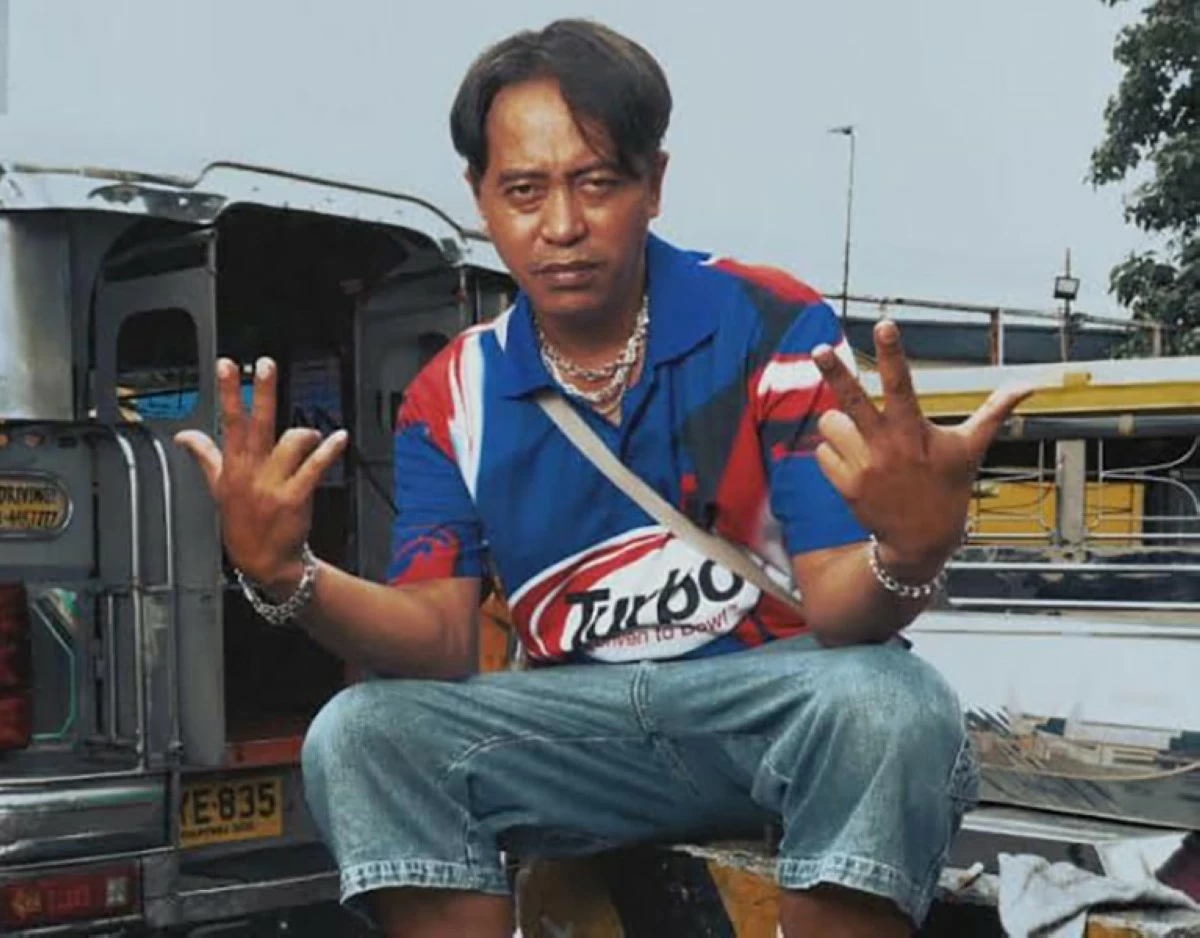
At the second day of “All of the Noise,” a deliberately eclectic live showcase mounted by The Rest Is Noise, the lineup felt like a curated argument about what Filipino, and more broadly, Asian music can sound like right now. Featuring fitterkarma, BP Valenzuela, Singaporean alt-rock prodigy Shye, One Click Straight, SOS, New Zealand dreampop band Phoebe Rings, DJ Love, VVINK, and more, the program moved with a kind of controlled chaos that mirrored the scene it was trying to map. Somewhere within that density, DJ Love sat down with Manila Bulletin Entertainment for an interview that felt less like a career update and more like a running commentary on persistence, with occasional detours into existential gratitude. DJ Love, a Davao-born producer and performer, is widely credited as one of the central figures in bringing “Budots” from local street culture into broader public consciousness. Working with limited resources but a distinctly recognizable rhythmic identity, he helped define a genre that would eventually become both ubiquitous and controversial. Over the years, he has evolved into more than just an artist. He has become a cultural reference point, a reminder that scenes built from the margins often outlast the skepticism aimed at them. “Budots” has long occupied a complicated space in Filipino culture: instantly recognizable, widely danced to, and yet often dismissed as unsophisticated. Originating from grassroots settings such as barangay parties, basketball courts, and public gatherings, it prioritizes accessibility over polish. For years, it was shorthand for class-based ridicule. More recently, however, it has been reframed as a legitimate cultural form, one that reflects regional identity and community expression. When asked to describe his sound, DJ Love responded in a way that neatly resists any fixed genre label: “Simpleng tao lang… hindi mayaman. Tama-tama lang.” That same perspective carries into how he views Budots’ evolving reputation. Once dismissed as “corny” or “baduy,” the genre is now being embraced by younger artists and wider audiences. His reaction remains grounded: “Masaya, siyempre… mahal ko yung ginagawa ko kaya hindi ako napapagod.” He acknowledges years of criticism as “puro negative, bashing,” but speaks about it with a detachment that suggests he no longer requires validation. That long-term persistence has opened doors to collaborations with newer artists like Arizona Brandy and VVINK. Reflecting on his work with Arizona, DJ Love admits initial hesitation: “Nag-aalangan din kasi ako… baka masira yung kanta”, before ultimately trusting the process. His takeaway is not framed as personal triumph, but as audience reception: “Gusto ko sa kanila galing yung nagsabi na okay yung kanta.” It marks a subtle but meaningful shift away from self-assessment toward communal validation. With VVINK and other younger collaborators, the tone turns more reflective: “Yung mga pinaghirapan dati, nakita ko na nagustuhan nila.” He describes the moment not as a comeback, but as continuity, “Budots no longer isolated, but integrated. “Iba na ang pagkakilala nila sa ‘Budots’,” he adds, noting that some now even refer to it outright as culture: “Kultura na daw.” He is similarly open-ended about future collaborations. Having already worked with Ely Buendia, he expresses no urgency to chase specific names: “Okay na ako doon… pero kung may darating, wala akong problema.” The conversation shifts when his health is brought up. After experiencing heart failure and receiving a pacemaker, DJ Love acknowledges that life has necessarily changed: “Kailangan na ng konting pag-iingat… hindi na kagaya dati.” He has cut back on late nights and extreme routines, though he admits, “may hingal konti.” Still, his outlook remains steady: “Okay lang, positibo pa rin ako. Go pa rin.” Perhaps the most affecting part of the interview comes when he speaks about the people who supported him during his illness. His gratitude is immediate, but so is his discomfort: “Nahihiya talaga ako… kasi alam ko yung mga tumulong sa’kin naghihirap din.” He describes going through a long list of donors and personally thanking them, still unfinished, he admits with a laugh. The weight of that support lingers: “Kung hindi dahil sa kanila, tigok na talaga ako.” And yet, even with that weight, there is no sense of closure only continuation. “Pareho lang… sa bahay ka or andito,” he says, collapsing the distance between rest and performance into something almost philosophical. He prays, he moves forward, and he keeps making music. In a scene often obsessed with reinvention, that may be the most quietly radical thing about DJ Love. (Ian Ureta)