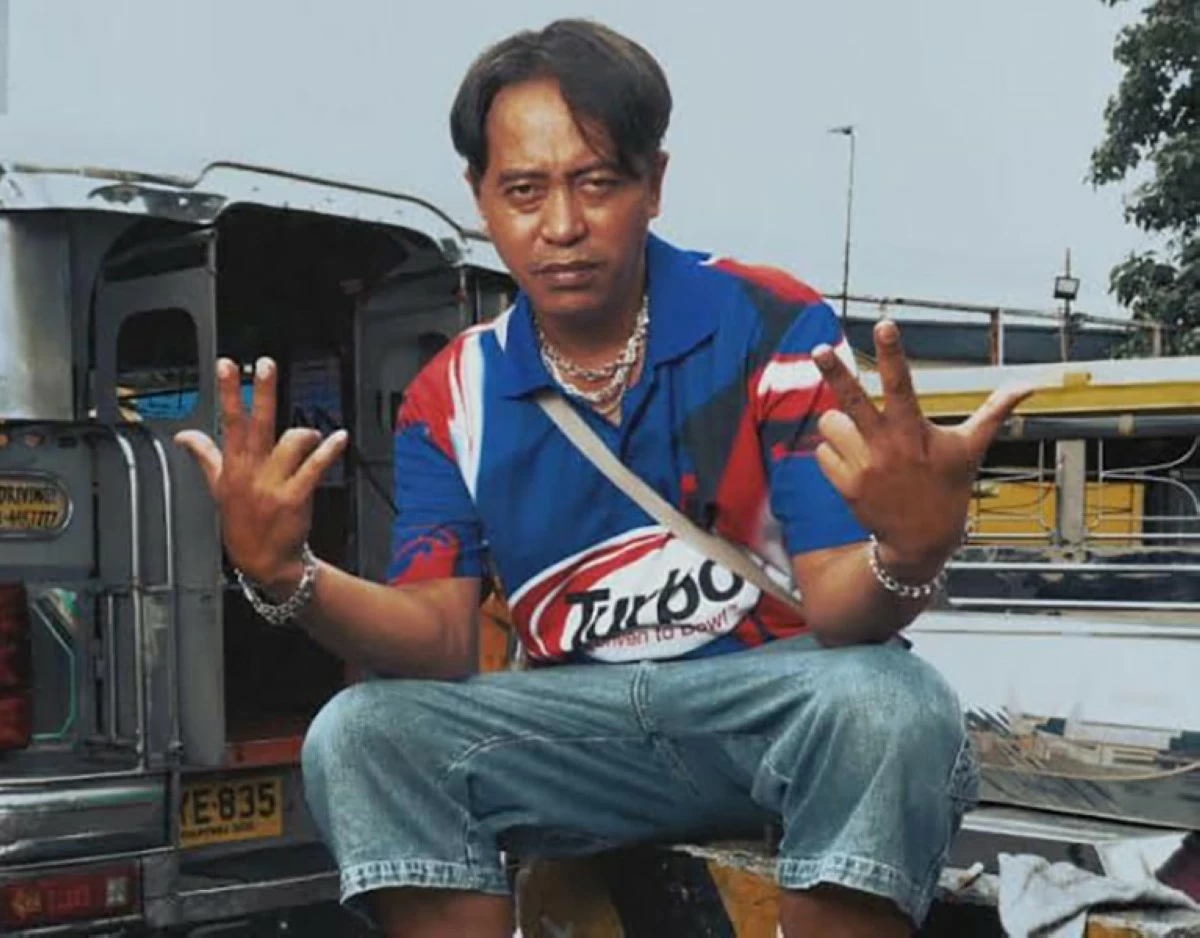
At the second day of "All of the Noise," a deliberately eclectic live showcase mounted by The Rest Is Noise, the lineup felt like a curated argument about what Filipino, and more broadly, Asian music can sound like right now. Featuring fitterkarma, BP Valenzuela, Singaporean alt-rock prodigy Shye, One Click Straight, SOS, New Zealand dreampop band Phoebe Rings, DJ Love, VVINK, and more, the program moved with a kind of controlled chaos that mirrored the scene it was trying to map. Somewhere within that density, DJ Love sat down with Manila Bulletin Entertainment for an interview that felt less like a career update and more like a running commentary on persistence, with occasional detours into existential gratitude. DJ Love, a Davao-born producer and performer, is widely credited as one of the central figures in bringing "Budots" from local street culture into broader public consciousness. Working with limited resources but a distinctly recognizable rhythmic identity, he helped define a genre that would eventually become both ubiquitous and controversial. Over the years, he has evolved into more than just an artist. He has become a cultural reference point, a reminder that scenes built from the margins often outlast the skepticism aimed at them. "Budots" has long occupied a complicated space in Filipino culture: instantly recognizable, widely danced to, and yet often dismissed as unsophisticated. Originating from grassroots settings such as barangay parties, basketball courts, and public gatherings, it prioritizes accessibility over polish. For years, it was shorthand for class-based ridicule. More recently, however, it has been reframed as a legitimate cultural form, one that reflects regional identity and community expression. When asked to describe his sound, DJ Love responded in a way that neatly resists any fixed genre label: “Simpleng tao lang... hindi mayaman. Tama-tama lang.” That same perspective carries into how...
LIVE
--
--
--
--
--
--
--
--
Global Weather
Loading...
Fetching latest reports
--°C