
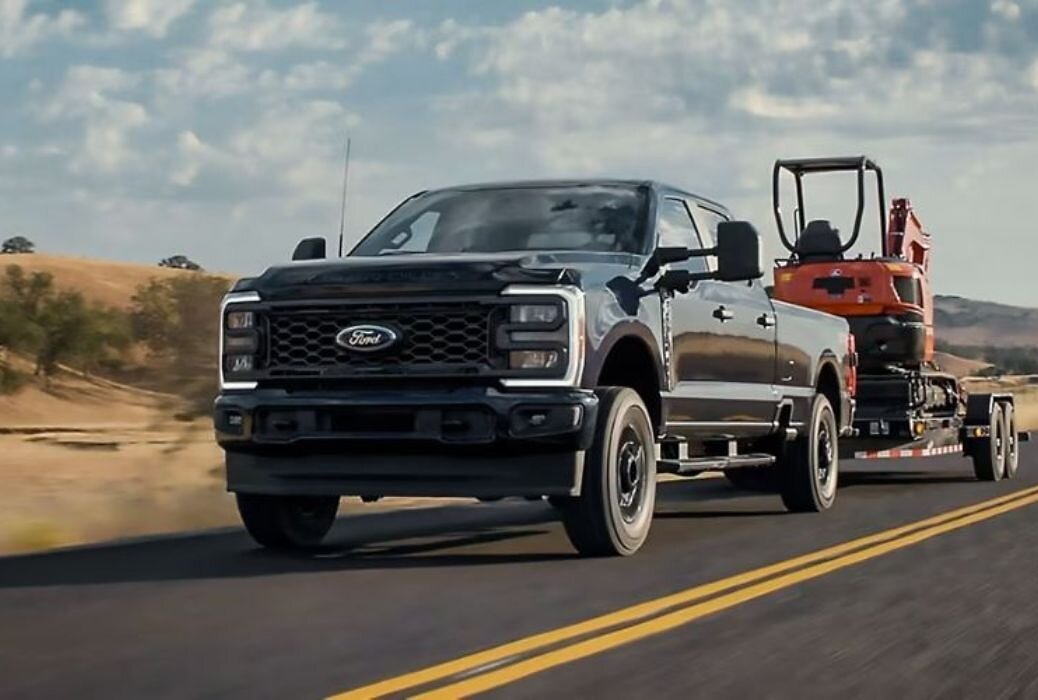
FORT WORTH, Texas — Fort Worth-based dealership Texas Truck Barn has released comprehensive guidelines designed to help North Texas business owners and fleet managers evaluate pre-owned heavy-duty diesel pickups for commercial operations. The industry insights aim to assist local enterprises in navigating the regional market to secure reliable, cost-effective commercial transportation.
Key Criteria for Commercial Fleet Selection
Selecting the right pre-owned work truck requires a rigorous assessment that goes beyond standard consumer purchasing criteria. According to Texas Truck Barn, commercial buyers must prioritize operational efficiency, vehicle longevity, and overall return on investment. The dealership highlights several essential factors that businesses should examine before making a purchase:
- Powertrain Integrity: Thoroughly inspecting high-torque diesel engines and transmissions to ensure they can manage heavy daily workloads.
- Towing and Payload Ratings: Verifying that vehicle specifications align precisely with job site demands and gross vehicle weight requirements.
- Documented Maintenance History: Reviewing comprehensive service records to reduce the risk of unexpected downtime and major repair costs.
Meeting Regional Commercial Demand
The demand for dependable commercial vehicles across the Dallas-Fort Worth region continues to grow, fueled by expanding construction, logistics, and agricultural sectors. Fleet operators frequently face challenges in sourcing high-performing heavy-duty trucks that fit within strict capital budgets.
By establishing transparent selection standards, Texas Truck Barn seeks to simplify the vehicle acquisition process for local businesses. The dealership notes that properly vetted, pre-owned diesel trucks provide a practical alternative to new inventory, allowing companies to scale their fleet capacity while keeping operational overhead manageable.