
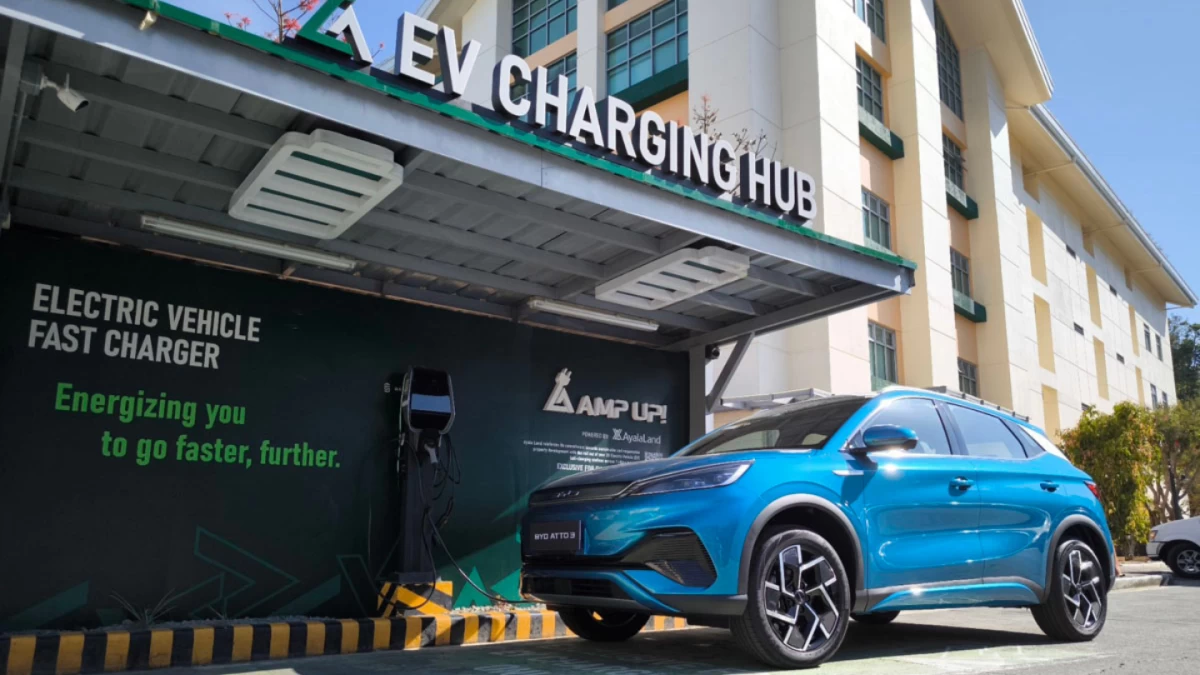
The Philippine automotive industry sustained its upward trajectory in March, as total vehicle sales climbed past 39,000 units, buoyed by the surge in demand for electrified vehicles (EV) amid the national energy emergency. Combined data from the Chamber of Automotive Manufacturers of the Philippines, Inc. (CAMPI) and the Truck Manufacturers Association (TMA) showed March deliveries exceeded February’s total of 37,700 units. The March figures brought the total industry volume for the first quarter of 2026 to approximately 112,500 units. Within the CAMPI-TMA segment, members reported selling 36,104 units in March, a 0.7 percent increase from the 35,842 units sold the previous month. This consistent monthly growth since January has pushed the group's year-to-date sales to 105,642 units by the end of the first quarter. The most significant movement occurred in the EV sector. Sales of these units reached 6,148 in March, more than doubling the 3,054 units sold in February—a month-on-month increase of 101.3 percent. Based on the industry data, this surge means electrified options now represent 17.03 percent of the total motor vehicle market, up significantly from the same period last year when they held just a 7.4 percent share. A closer look at the March EV breakdown revealed that hybrid electric vehicles (HEVs) continue to lead the pack with 3,667 units sold, a 48.5 percent increase from February. However, battery electric vehicles (BEVs) posted the most explosive monthly growth, skyrocketing 485.9 percent to 1,787 units. Plug-in hybrid electric vehicles (PHEVs) also posted strong gains, with 694 units sold representing a 148.7 percent monthly jump. On a year-to-date basis, the shift is even more pronounced. Total EV sales for the first quarter hit 11,800 units, a 36.2 percent increase compared to the 8,664 units sold in the first quarter of 2025. HEVs remain the volume driver for the year...
LIVE
--
--
--
--
--
--
--
--
Global Weather
Loading...
Fetching latest reports
--°C