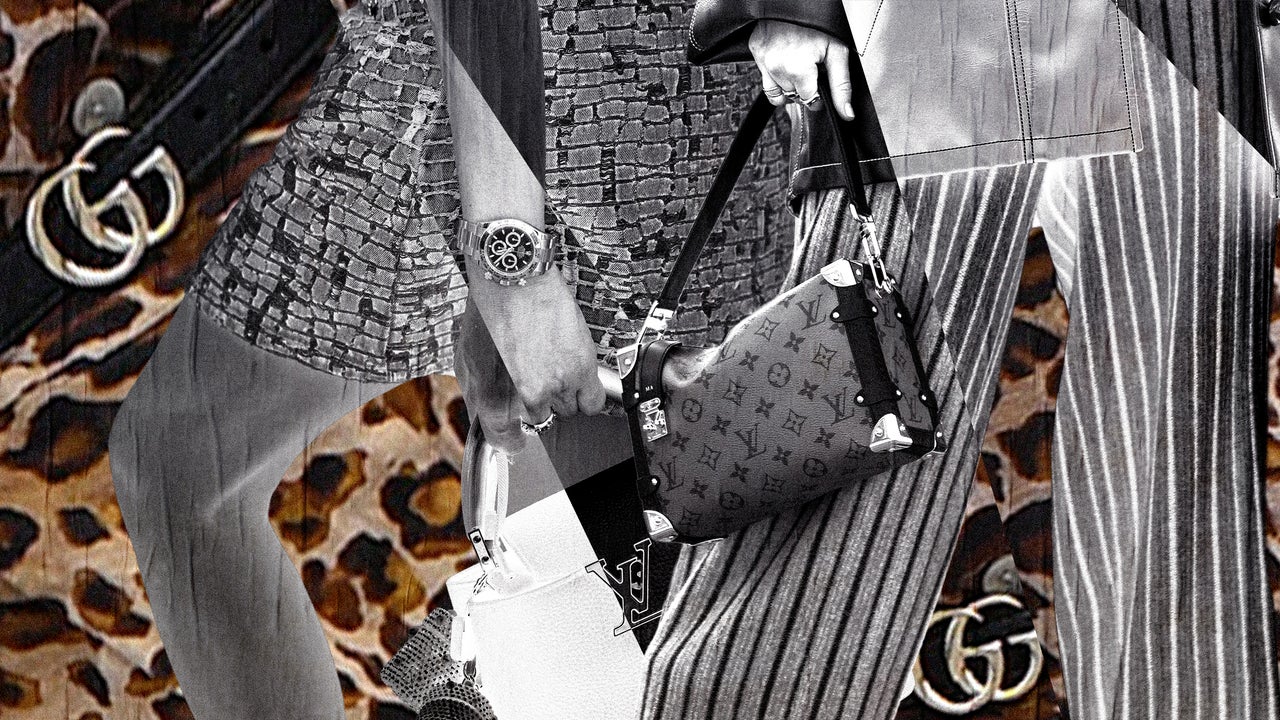
Earlier this year, LVMH agreed to sell Marc Jacobs, as the world’s largest luxury group continues trimming its portfolio after several years of slowing demand. It’s the latest sign that even the biggest names in luxury are under real pressure. According to Bain, the management consultancy, the luxury market has lost around 70 million customers since 2022, shrinking from 400 million to roughly 330 million by the end of 2025. That wipes out over a decade of customer growth and returns the market to its estimated 2013 size. Sales continue to decline too, falling an estimated 2% to 358 billion euros ($409 billion) in 2025. The instinctive explanation is that consumers have less money to spend. But that’s not what’s happening: People are still willing to pay extraordinary amounts for things they truly desire. The problem is that many so-called luxury products no longer feel worth paying for. Luxury brands spent decades expanding and extending, licensing their names onto everything from perfume to eyewear to home goods. Gucci put its name on roughly 22,000 licensed products by the mid-1990s, before Tom Ford famously cut the line to 5,000 to save the brand. Being everywhere was once good for the balance sheet but bad for the brand halo. Now luxury houses are reckoning with that. The more ubiquitous a brand becomes, the less a purchase feels worth the price—and eventually that hits sales. So, how do brands rebuild emotional resonance beyond the product itself? Luxury should feel personal, not transactional Luxury isn’t just about buying a beautiful object. It’s about how you’re made to feel while you’re buying it. I experienced this first hand recently, trying to treat myself to a card holder from a very well-known ultra luxury brand. Nobody greeted me at the door; one member of staff pointed...
LIVE
--
--
--
--
--
--
--
--
Global Weather
Loading...
Fetching latest reports
--°C