
Christopher Nolan’s “ The Odyssey” has not even been released yet, but it is already dominating film industry conversations worldwide. Set for release on July 17, the adaptation of Homer’s ancient Greek epic is generating extraordinary buzz due to its scale, its technical ambition, and its creative risks. From its IMAX-first production strategy to its grounded take on mythology, the film is being positioned as more than a blockbuster. It is emerging as a cultural statement about the future of cinema itself. One of the biggest reasons “ The Odyssey” is trending is Nolan’s continued resistance to fully digital filmmaking. While much of Hollywood has shifted toward AI-assisted workflows, virtual production, and LED-volume stages, Nolan has taken the opposite route. The film was shot using real-world locations, practical sets, and IMAX 70mm film, making it the first narrative feature ever captured entirely in that format. This decision has sparked intense discussion in the industry, with many viewing the project as a direct challenge to the growing dominance of CGI-driven production. Then there’s Matt Damon’s transformation for the film as Odysseus, which is already generating early awards speculation. The actor reportedly underwent a strict physical transformation, adopting a lean, battle-worn appearance and growing a natural beard over an extended period to match Nolan’s demand for authenticity. Damon plays Odysseus as a strategist shaped by years of war and survival. Early descriptions of the character emphasize intelligence, exhaustion, and moral complexity rather than traditional heroic idealization. This grounded approach is a key reason industry observers are already placing the performance in early Oscar conversations. But it isn’t as if Damon is carrying the film’s weight by himself. The film features one of the most high-profile ensembles of the decade. Tom Holland plays Telemachus, the son searching for his long-lost father. Anne Hathaway...
Why Christopher Nolan’s ‘The Odyssey’ is one of this year’s most talked-about films
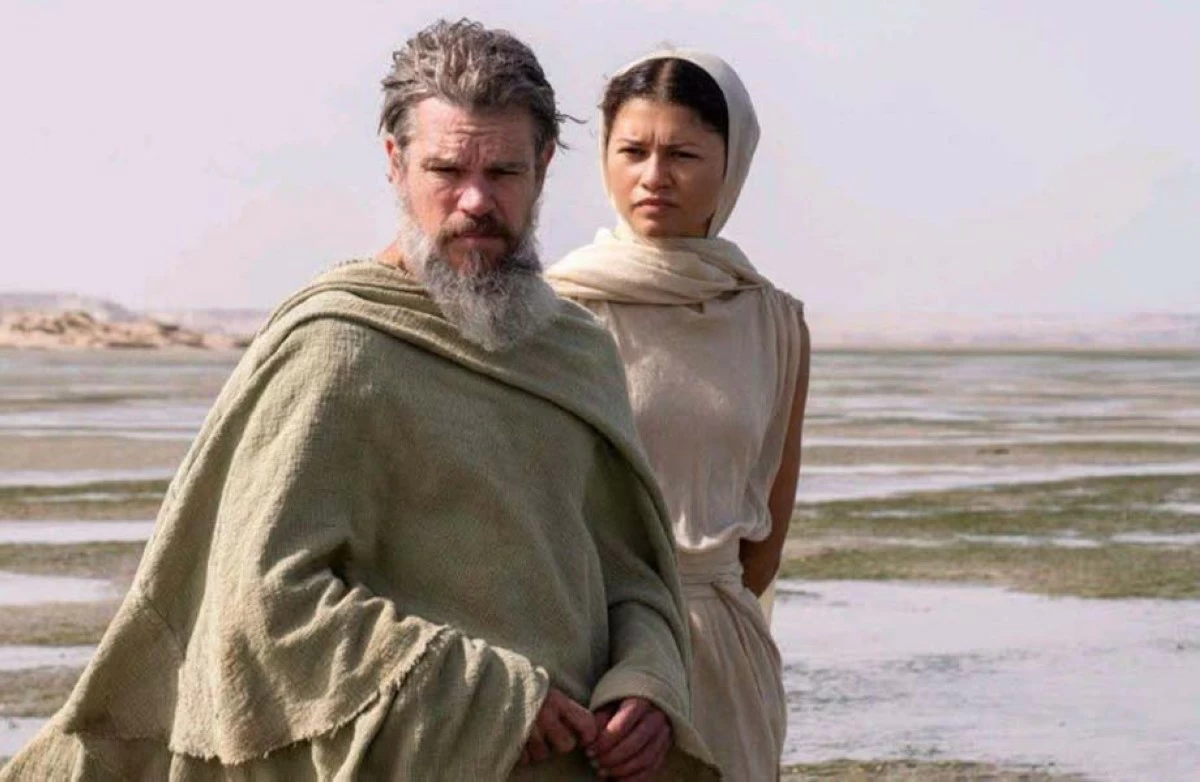
Source: Manila Bulletin
Read Full Story →