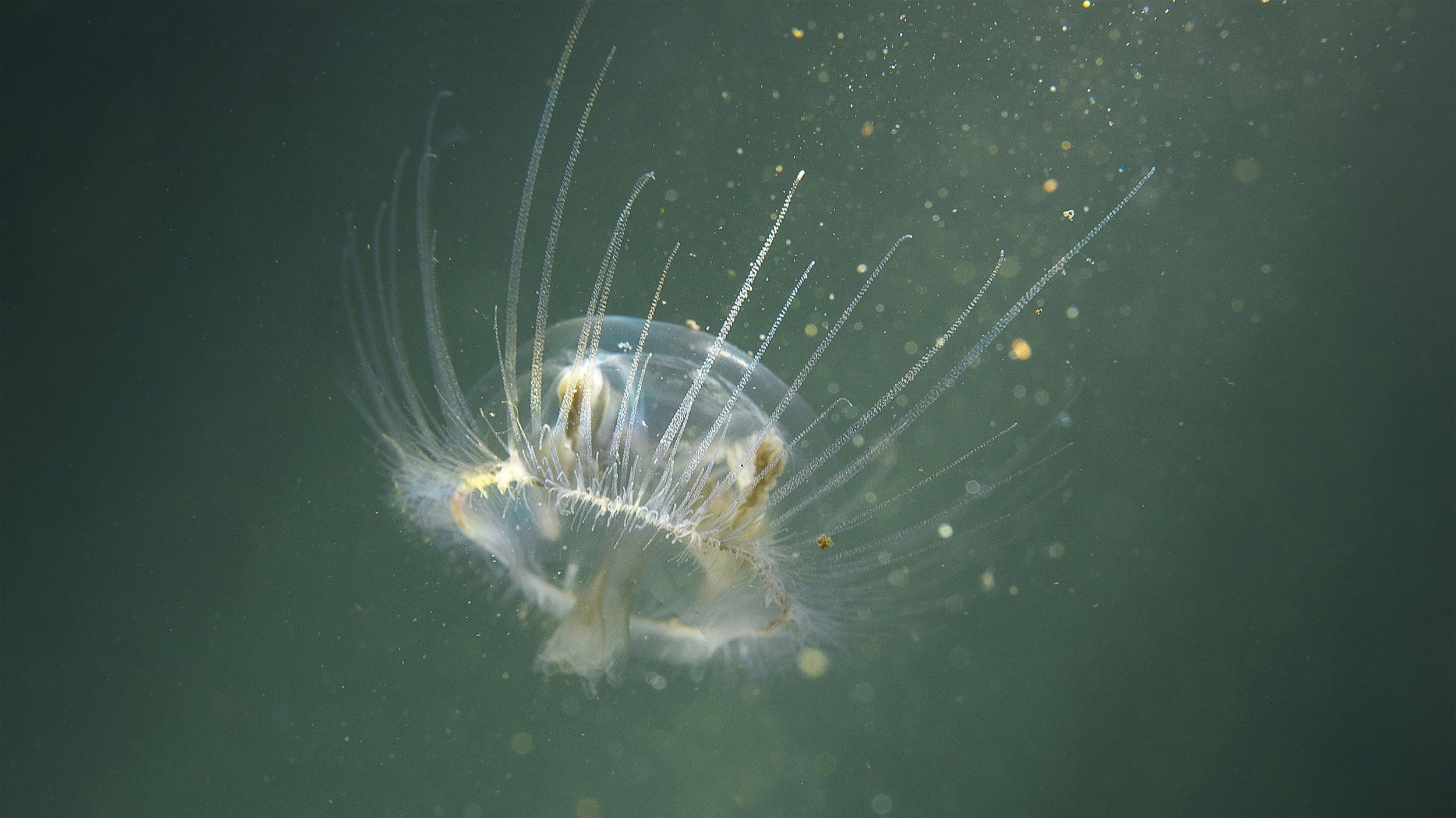
BOISE, Idaho — What began as an ordinary summer swim turned into an extraordinary aquatic encounter at Freedom Park in Star, Idaho. Local resident Marc Brandes was taking a dip in the park’s east pond when he noticed several coin-sized, translucent creatures pulsing gently through the water, revealing a surprising presence: freshwater jellyfish.
A Rare Encounter in Landlocked Idaho
Brandes initially doubted his eyes, as jellyfish are almost exclusively associated with marine environments. However, after capturing close-up footage and contacting local naturalists, experts confirmed the creatures were indeed freshwater jellyfish, known scientifically as Craspedacusta sowerbii. While sightings in the Pacific Northwest are exceptionally rare, these tiny invertebrates occasionally surface in quiet, landlocked bodies of water during peak summer temperatures.
Understanding the Species
Originally native to the Yangtze River basin in China, Craspedacusta sowerbii has spread around the globe over the last century. They typically travel as microscopic polyps attached to aquatic plants, stocked fish, or the feet of waterfowl, remaining undetected for years until favorable conditions trigger a bloom.
Despite their exotic appearance, wildlife experts emphasize that these seasonal visitors are essentially harmless to park visitors:
- Size: Adult medusae usually measure less than an inch across, making them easy to miss.
- Safety: While they possess stinging cells to catch microscopic prey, their stingers are far too small to penetrate human skin.
- Duration: The free-swimming jellyfish stage is brief, usually lasting only a few days to a couple of weeks before the organisms die off or revert to polyps.
Ecosystem Impact and Reporting
State biologists note that while freshwater jellyfish are a non-native species, they rarely cause significant harm to local ecosystems or native fish populations. Park officials encourage visitors to observe the delicate creatures from a distance and report any new sightings to help track the movement of this unusual freshwater phenomenon.