
There’s a surprising amount of science in a bag of potato chips . Researchers have spent decades developing potatoes for chip makers that can grow in all kinds of climates, avoid diseases and pests, sit in storage for months and still deliver a satisfying crunch. They’ve also kept an eye on consumer trends ; a shift to snack-size portions has increased the demand for smaller chipping potatoes, for example. “The potato industry is dynamic,” said David Douches, a Michigan State University professor who leads the school’s Potato Breeding and Genetics Program. “The needs change, the costs, the pressures that they have, and the markets change. So we have to adapt to that with our varieties.” Douches has developed five new potato varieties for chips in the the last 15 years. His latest breakthrough is a bioengineered potato that can maintain a proper sugar balance when stored at colder temperatures, which can help keep potatoes from rotting. He is currently growing seeds for commercial testing of the potato, which is not yet on the market. Douches’ work helps fight world hunger; he has developed disease-resistant varieties for farmers in Nigeria, Kenya, Rwanda and Bangladesh. But he’s also helping U.S. chip makers, grateful snackers and Michigan’s $2.5 billion potato industry. While Idaho leads the U.S. in potato production, Michigan is the top producer of potatoes for chips. There are around 50 unique potato varieties grown for chips in the U.S. right now, according to the National Chip Program, a cooperative that brings together Michigan State and 11 other university breeding programs with growers, companies that make chips, and the U.S. Department of Agriculture. Efforts to improve those varieties are constant. The National Chip Program evaluates around 225 new potato varieties each year and selects 100 for further trials, said Tim Rendall, the...
This is the surprising science behind the potato breed in your bag of chips
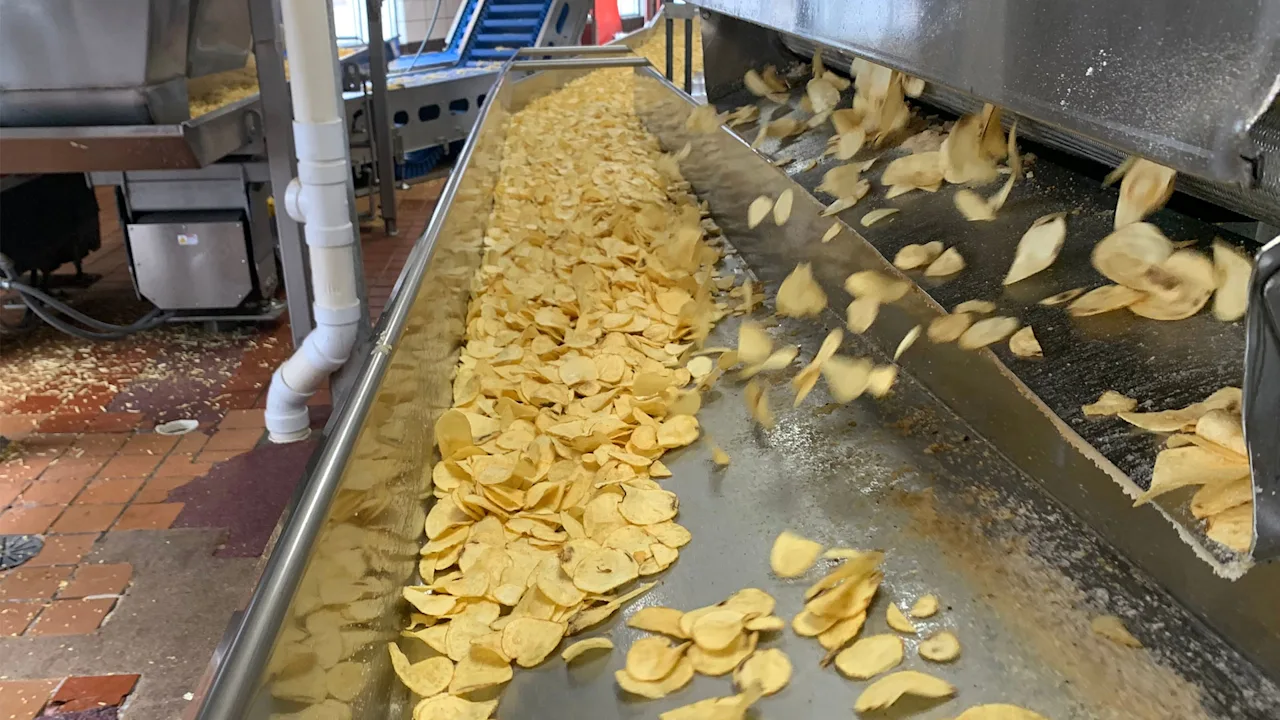
Source: Fast Company
Read Full Story →